Posts

Showing posts with the label great golden digger wasp

Ebony Jewelwing

Image
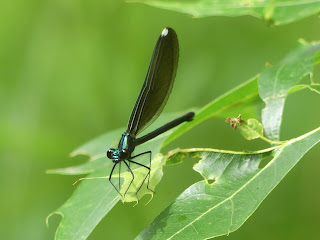
From Common Jewelweeds to Ebony Jewelwings  (not to mention Ruby-throated Hummingbirds ,  Golden-backed Snipe Flies , Great Golden Digger Wasps , and Silver-spotted Skippers ), there's treasure out in nature. These damselflies (relatives of, but not dragonflies) are likened to jewels because of the blue-to-green sheen that the males have. (Females look similar except they lack the sheen.) Odonates seem to have different preferences regarding perches. Many like low branches over water, others like hanging on reeds at/near water, a few are happy on the ground, and others seem content near to top of smallish plants. I'll frequently see Common Jewelwings on the leaves of low-hanging trees and shrubs. (Of course there are places they could be hanging out that I wouldn't notice, like if they enjoyed the top of tree canopies.) June 21, 2023 at Fairview Farm Photo 301211287, (c) jpviolette, some rights reserved (CC BY-NC)
Great Golden Digger Wasps

Image
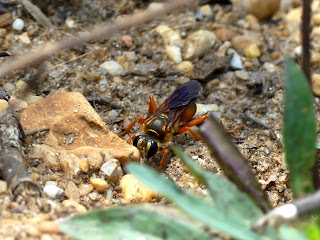
On my July trip to the Plainsboro Preserve, I found a great degree of gold. Or more specifically, I found Great Golden Digger Wasps . (I've talked about these wasps before.) Many people are down on wasps, and certainly some of them can be aggressive stingers of people. But many wasps are mellower than that, rarely sting people, and can be beneficial to farms/gardens. The Great Golden Digger Wasp is one of these. The main goal of the females is to dig holes in loose soil to provide nests for her offspring, and I wouldn't be at all surprised if that's what the wasp in the first picture is about to do. She'll dig a mail hole down about half a foot, and then dig 5-6 nest holes within it. If all goes according to plan, she'll fill each nest hole with an insect (grasshoppers, katydids, or crickets) that she's paralyzed with her sting, and then she'll lay an egg on each of those insects. Once that's done, she'll cover up the hole, and (maybe after a very s...

Great Golden Digger Wasp

Image
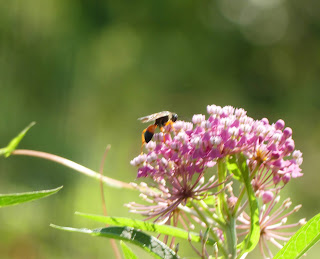
Meet a Great Golden Digger Wasp . The picture is over 3 years old, but I wanted to do my area's 3 related wasps in a little series. They are related to both the Great Black Digger Wasp and the Katydid Wasp . These guys seem to have very similar lifestyles to their 2 relatives; all three paralyze insects to use as food for their eggs, and all three sustain themselves on nectar/pollen when adults. And all three eat orthoptera (grasshopper/cricket/katydid) insects. Another thing all three of these species have in common is that they're known to be victims of interspecific   kleptoparasitism , where after paralyzing their prey and attempting to bring it back to a nest, they're harassed by birds until they drop their prey and allow the bird to take it. (More noticeable versions of kleptoparasites are Bald Eagles that steal fish from Ospreys, or lions that take over a hyena kill.) It is a little interesting that 3 related species are filling such similar environmental niches, t...